For Clinicians

A referral partner.
Not a replacement.

Cadence exists to extend the work you're already doing — a clinically grounded environment for regulation, recovery, and capacity-building that complements the care your clients receive from you.

Adjunctive work that respects the therapy.

Some of the work your clients need happens outside the therapy hour — nervous system regulation built through repetition, capacity trained under controlled load, and the kind of co-regulated group experience individual sessions can't replicate. Cadence is built to hold exactly that, without stepping on the clinical relationship you've established.

Three places to send the work.

Each offering is structured, clinically informed, and sequenced to the same framework — so what your client builds here moves in the same direction as the work they do with you.

Phase One — Rhythm

Regulation Groups

"Co-regulation, on purpose."

Clinically facilitated group programs — breathwork, deliberate cold exposure, and closed men's group work — that train the nervous system in relationship. For clients who have the insight but need repeated, embodied practice to make it stick, the group is often the more powerful environment.

See the Groups →
Phase Two — Capacity

Performance & Recovery

"Build tolerance under load."

Recovery modalities and performance-centered resilience training for clients ready to train capacity — to tolerate stress without losing regulation. A controlled, supervised environment for the work that builds on a stabilized baseline rather than replacing the clinical care underneath it.

Explore Recovery →
Phase One / Two — Rhythm & Capacity

Clinical Therapy

"When a client needs more."

For situations that call for additional clinical support — EMDR, trauma-informed therapy, or coordinated care — Cadence offers licensed therapy directly. Where a client is better served staying with you, we coordinate rather than compete. The clinical relationship comes first.

Clinical Therapy →
Phase One — Rhythm

Restore regulation.
Find ground.

Before capacity can be built and before agency can be returned, the nervous system needs a baseline. Rhythm is where that work begins — breath, body, and the slow return to safety.

Phase Two — Capacity

Build tolerance.
Train the response.

Once regulation is established, the work shifts to load. Controlled exposure, deliberate recovery, and the training of a nervous system that can take on stress without losing itself.

Phase Three — Agency

Return choice.
Restore agency.

With regulation steady and capacity rebuilt, agency returns — the client moves from surviving their internal experience to choosing their response to it. The sequence is not optional: Rhythm before Capacity, Capacity before Agency.

A referral that holds the line.

Referring a client means trusting where they land. These are the commitments that make Cadence a safe place to send the work.

01

Clinically Facilitated

Every group and program is facilitated by a licensed clinician — not a coach. That distinction lets the work hold complexity, respond to dysregulation in real time, and keep the container intact when it gets hard.

02

Adjunctive by Design

Cadence is built to complement therapy, not absorb it. Where a client is already in care, the goal is coordination — extending your work, never undercutting the relationship at its center.

03

Coordinated Communication

With the appropriate releases in place, we keep referring providers informed and coordinate care thoughtfully — so your client experiences one direction of travel, not two competing ones.

04

A Clear Framework

The RCA sequence — Rhythm, Capacity, Agency — gives you a shared language for what your client is working on here and why it's sequenced the way it is. Predictable structure, legible to the clinician sending them.

Simple to start.
Easy to coordinate.

Sending a client to Cadence takes a single conversation. From there, the structure does the rest.

Whether you're referring for groups, recovery, or coordinated clinical support, the path is the same — reach out, and we'll take it from there with your client's care in mind.

Have a question before you refer? A direct conversation is always welcome.

Start a Referral
01

Reach Out

Contact us with a brief picture of your client and what you're hoping to support. No formal referral packet required — a conversation is enough to begin.

02

Match to the Work

We help identify the right entry point — a regulation group, recovery program, or coordinated clinical support — based on where your client is in the RCA arc.

03

Client Connects

Your client reaches out on their own timeline and gets the schedule, logistics, and a clear sense of what to expect before their first session.

04

Coordinate Care

With the appropriate releases, we stay in communication with you — so the work here reinforces the work you're doing, rather than running parallel to it.

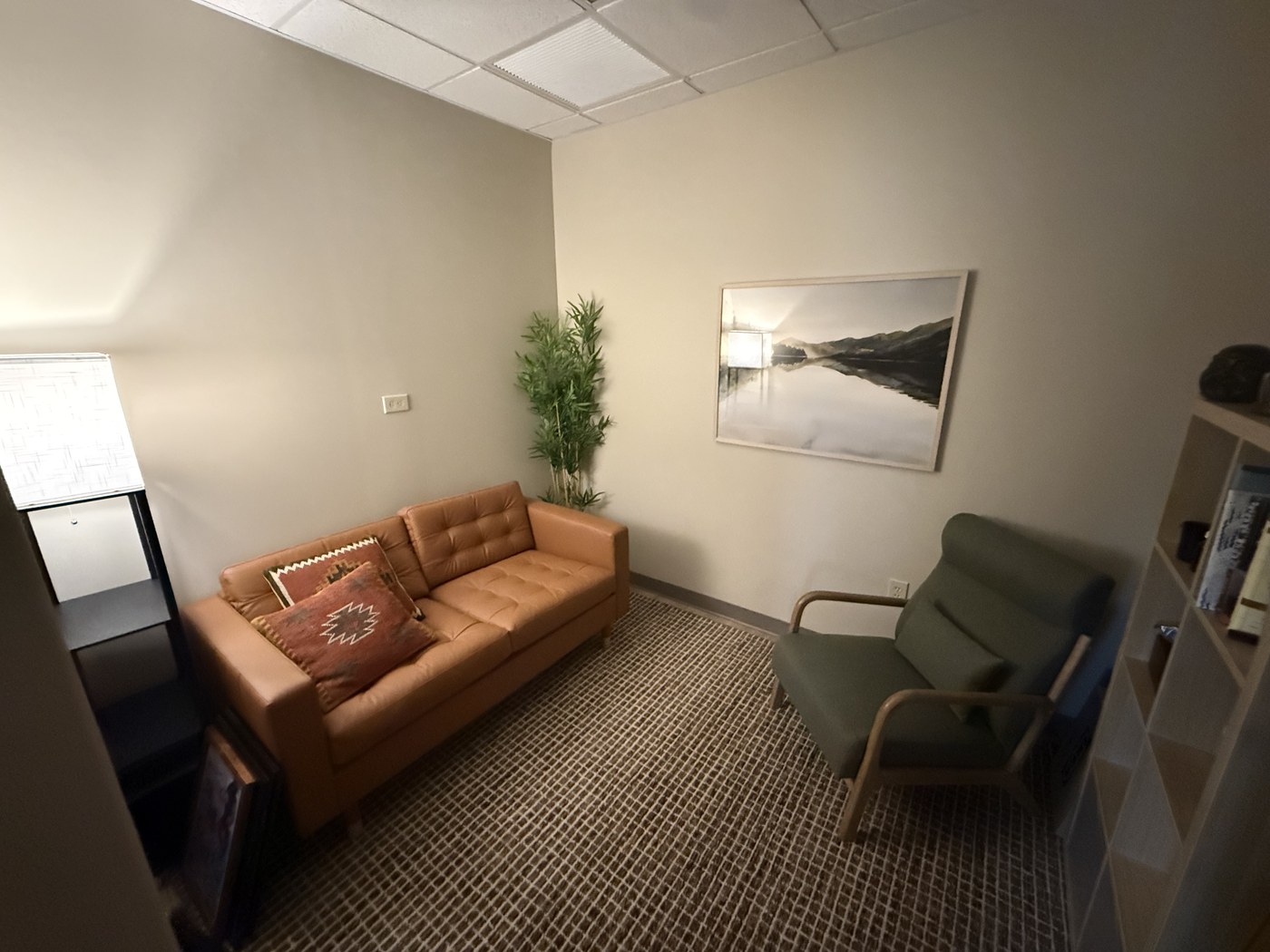
Cadence Wellness therapy room

Led by a clinician. Built for coordination.

Cadence is led by Jason Culbreth, LPC — a licensed clinician with EMDR certification, trauma-informed training, and direct lived experience in the populations these programs are built for.

That means a referral here lands with someone who understands the clinical stakes of the work, respects the boundaries of an existing therapeutic relationship, and knows how to keep adjunctive work in its proper place.

If you have a client who needs regulation practice, recovery, or a clinically held group — and you'd rather extend your work than hand it off — Cadence is built to be that partner.

About Jason →
"The therapy hour does essential work. But regulation is built in repetition — and some of that repetition has to happen in a room I don't have to be the only one holding."

— Jason Culbreth, LPC · Founder, Cadence Wellness

Refer with confidence.

Tell us about your client. We'll help you find the right entry point and keep you in the loop.

Refer a Client Understand the System