Three phases. One direction. A structured pathway through restoration, rebuilding, and return — not a collection of services, but a coherent sequence.
Most people arrive at wellness services out of sequence. They try to optimize before they've stabilized. They train before they've recovered. They push before the nervous system has enough capacity to handle the load.
Cadence is built on the recognition that the order matters as much as the tools. Rhythm before Capacity. Capacity before Agency. You can't build up from a foundation you haven't established.
This isn't about slowing people down. It's about moving in the right direction — efficiently, with intention.
"Regulation before optimization."
Rhythm is the foundation. Before you can perform, before you can train, before you can adapt — you need to be regulated. A dysregulated nervous system cannot be optimized. It can only be steadied.
Phase One focuses on establishing baseline safety — physiological and psychological. This includes breath work, sleep quality, nervous system tone, and the reduction of chronic activation patterns that keep people stuck in a stress response long after the stressor is gone.
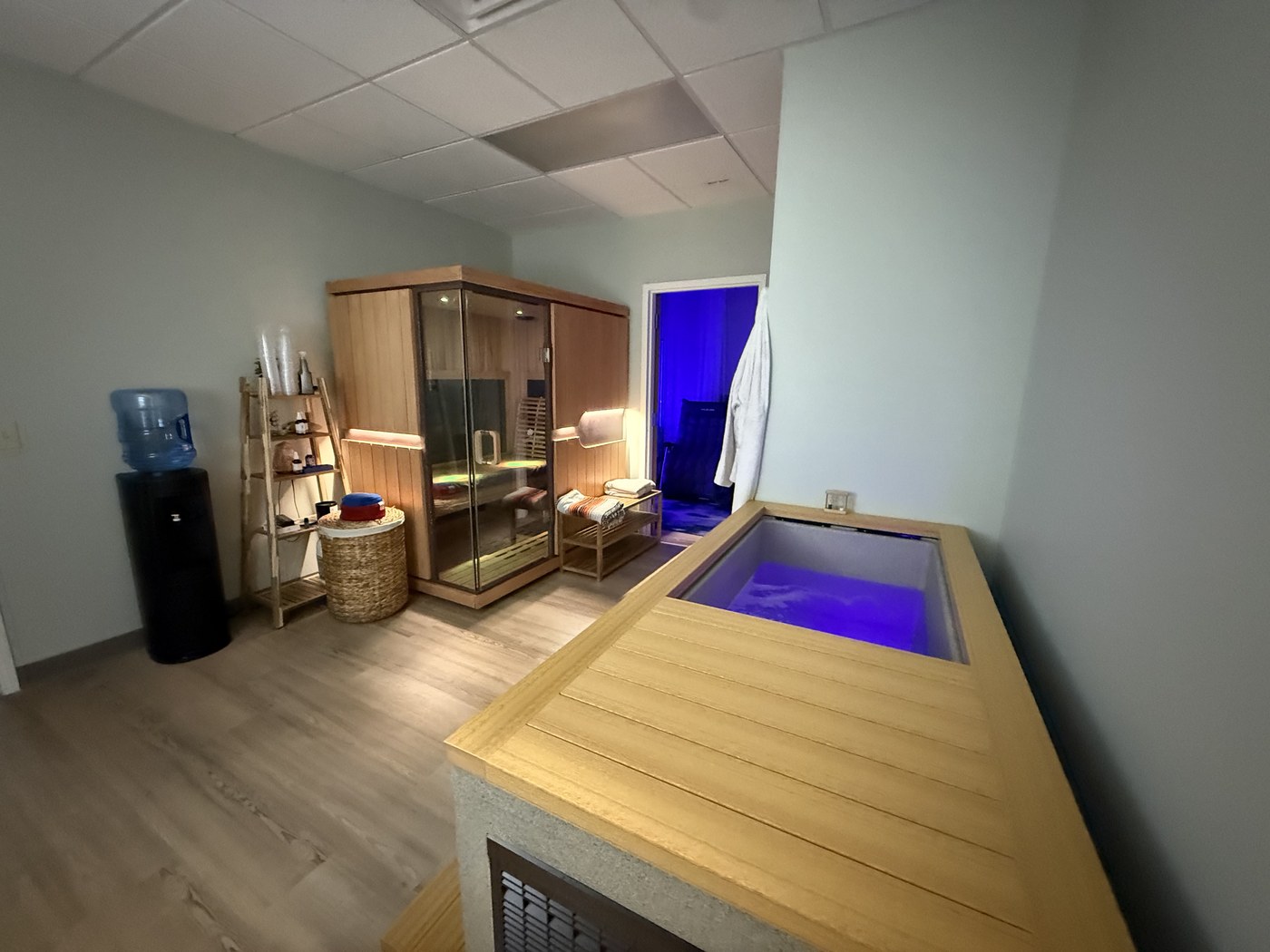
Clinical therapy lives here. EMDR, trauma-informed counseling, and regulated conversation are the primary tools. Recovery modalities — sauna, sound lounge, gentle movement — support this phase as well, lowering the physiological cost of existing.
Individual therapy · EMDR · Trauma-informed counseling · Sauna · Sound lounge · Guided regulation protocols
"Controlled exposure and progressive recovery."
Once baseline rhythm is established, the work shifts to building tolerance. Capacity is the ability to take on load — physiological, cognitive, emotional — without losing regulation.
This is trained, not assumed. The nervous system learns capacity the same way a muscle does: through controlled stress, followed by adequate recovery. The dosage matters. The sequence matters.
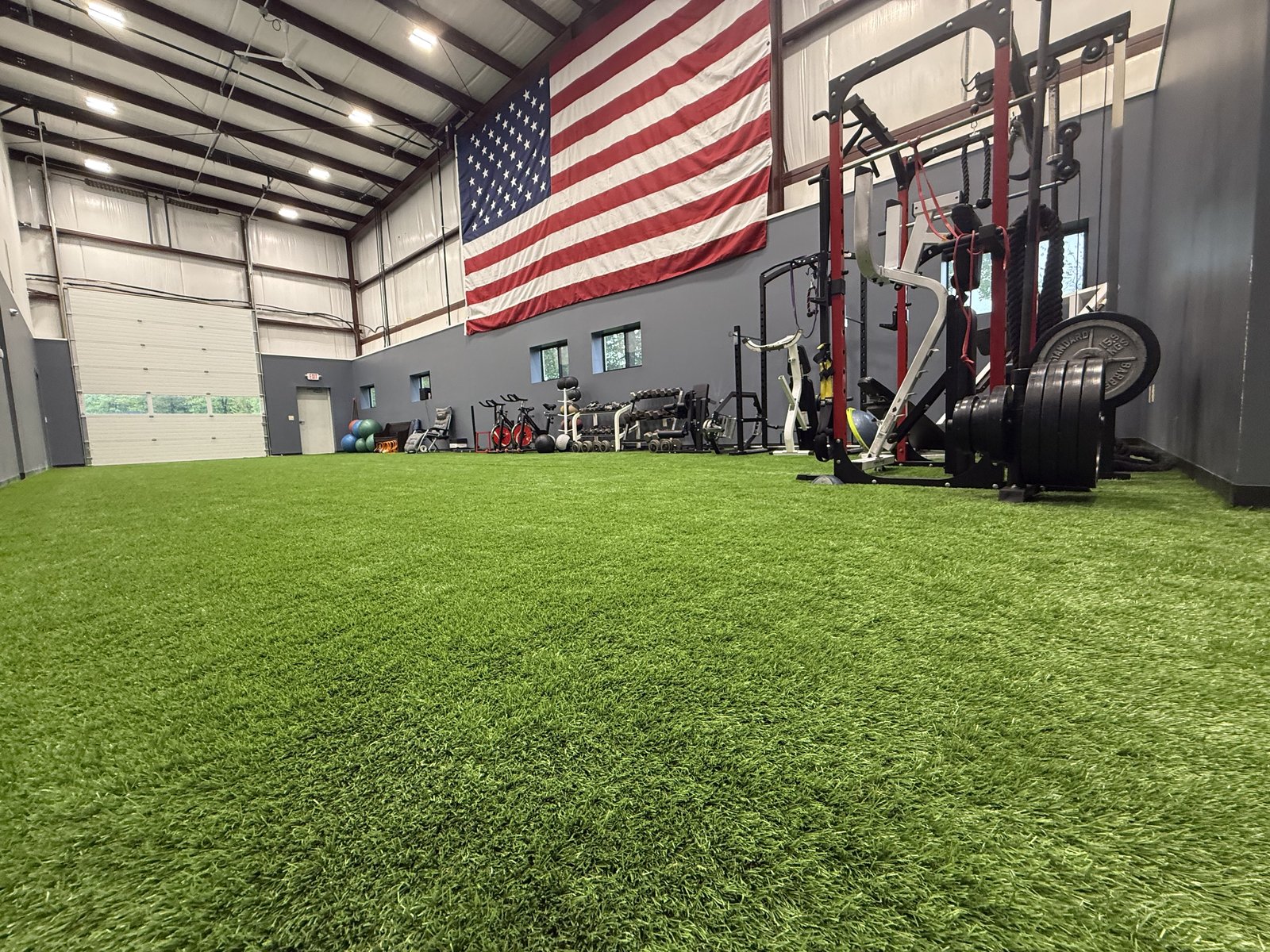
Cold plunge, sauna protocols, compression therapy, movement training, and progressive therapeutic exposure are the tools of Phase Two. They are applied with intention, within a structure that supports adaptation rather than depletion.
"Choice under pressure."
Agency is not a destination you arrive at. It is a state of function — the ability to make choices, take action, and lead yourself under conditions of pressure, uncertainty, or demand.
By Phase Three, the nervous system is regulated, capacity is built, and the work is about integration. Confidence returning. Decision-making sharpening. Self-leadership emerging.
This is what Cadence is actually building toward — not just feeling better, but operating better. Not just the absence of distress, but the presence of function.
Agency is also where ongoing maintenance lives. The practices, protocols, and habits that keep you operating at your standard — revisited, adjusted, and sustained.
No two paths look the same. But the direction is consistent — and that clarity is the point.
We begin with a consultation — understanding your current state, your history, and what you're carrying. This determines where in the system you enter and what the first phase looks like.
For most clients, therapy establishes the base. Rhythm is restored or initiated. Recovery modalities begin supporting the nervous system in parallel with clinical work.
As regulation stabilizes, capacity training begins. Cold exposure, movement, compression, performance protocols — scaled to your current level and monitored for adaptation.
Recovery tools and clinical work integrate. You begin applying what you've built to the actual demands of your life. Performance, relationships, identity, purpose.
The system doesn't end — it transitions. Ongoing membership, periodic check-ins, and a sustainable rhythm keep you operating at standard.
Start with a consultation. We'll identify where you are in the system and build from there.
Start Your AssessmentNot more information. Not more options. A clear, sequenced pathway — built by someone who has walked it.